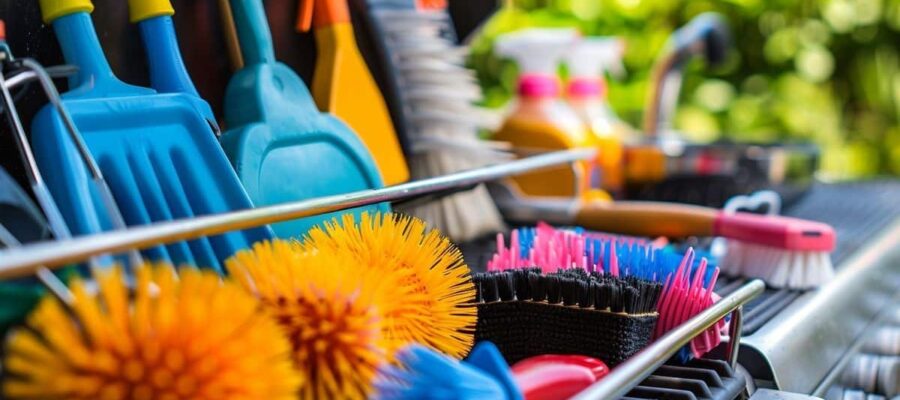
The plancha, an essential tool for lovers of healthy and quick cooking, requires regular maintenance to preserve its performance. Whether it’s removing food debris or restoring shine, there are several proven methods. Discover the techniques recommended by experts and effective products for optimal cleaning.
Immediate steps after cooking
Necessary equipment
For effective cleaning, prepare these essentials:
- A wide stainless steel spatula for scraping off residue
- A stainless steel ball or scraper suitable for scrubbing without scratching
- Warm water and a microfiber cloth to dry
3-step process
- Scraping residues : Turn off the burners and use the spatula on the still hot plate to remove the burnt food.
- Cleaning with stainless steel ball : With a little water, rub vigorously to remove stubborn adhesions. Repeat until you get a clean surface.
- Cooling and drying : Allow the plancha to cool before cleaning it with a microfibre cloth to avoid water stains.
Thorough cleaning after cooling
Recommended products
- Special cleaner for planchas : Formulated to dissolve grease and encrusted residues.
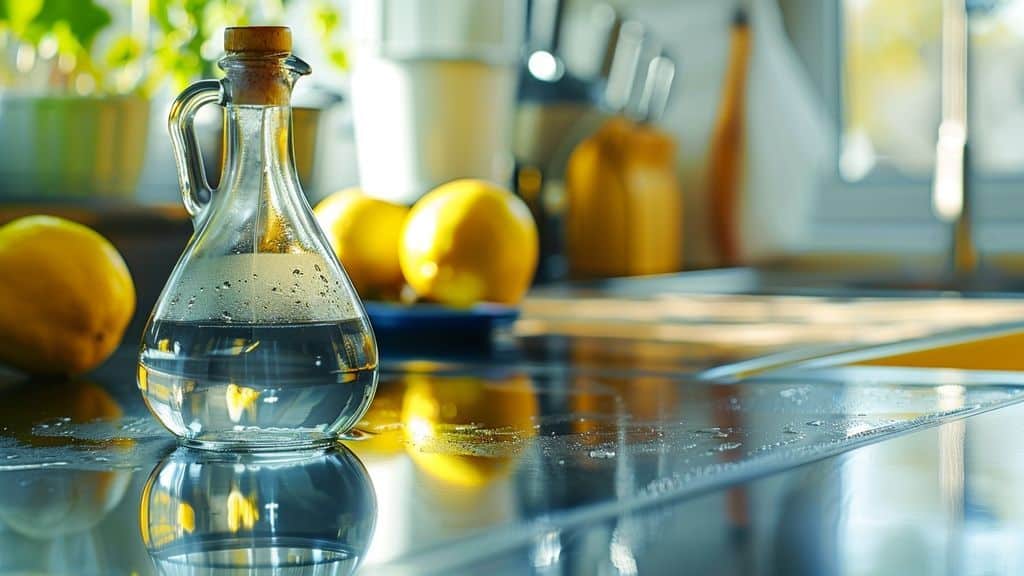
- White vinegar : Ideal for removing traces of limescale and restoring shine.
- Enamel cleaning spray : For enamelled plates, avoid abrasive products.
Detailed method
- Product application : Spray the detergent or vinegar on the plate, paying particular attention to dirty areas.
- Vigorous rubbing : Use the stainless steel ball to scrub in circular motions, avoiding sharp corners.
- Rinsing and drying : Rinse with clean water with a sponge, then dry immediately to avoid stains.
Solutions for old residues
Thermal shock
For encrusted stains, create a temperature contrast:
- Pour water or ice cubes on the cold plate to remove residues.
- Rub with the stainless steel ball pressing firmly, without fear of scratching the stainless steel.
- Finish with vinegar to remove traces of grease and limescale.
The spray tip for cleaning
If the plancha was not cleaned immediately:
- Reheat slightly the straightener to soften the residue.
- Spray with a cleaning spray specially designed for enamelled or stainless steel surfaces.
- Rinse and dry to avoid chemical traces.
Regular maintenance: key to longevity
Recommended frequency
- After each use : Immediate cleaning to avoid encrustations.
- 1 or 2 times a month : Thorough cleaning with a specialized product.
Mistakes to avoid
- Use chlorinated products : They alter the surface and can oxidize stainless steel.
- Leave to dry without rubbing : Drops of water leave traces of limescale.
- Ignore the joints : Clean gaps with a toothbrush to avoid buildup.
More tips
- Microfiber vs sponge : Use a microfiber cloth for scratch-free drying.
- White stone : For stubborn marks, mix with water and rub in a circular motion.
Natural products: economical alternatives
White vinegar
- Advantages : Disinfects, eliminates limescale and restores shine.
- Usage : Dilute it in water (1:1) and apply it after mechanical cleaning.
Marseille soap
- Use cases : For stainless steel plates, mix the chips with hot water and scrub.
- Attention : Rinse thoroughly to avoid residues.
Water and salt
- Ecological solution : For grease stains, sprinkle with coarse salt and scrub with a brush.
Common mistakes to avoid
1. Do not clean immediately
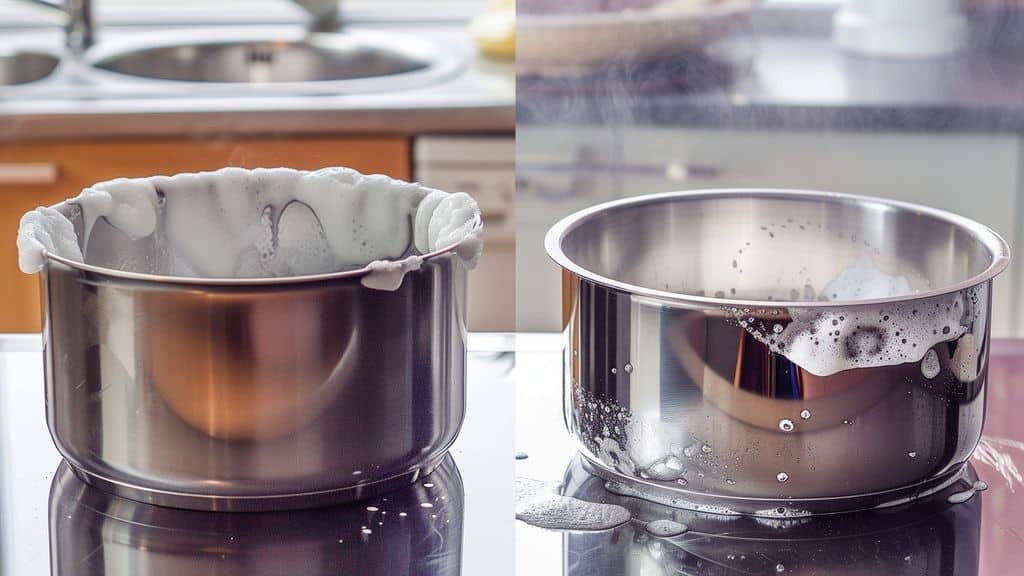
Burnt residues quickly encrust, making cleaning more difficult. One study shows that 80% of stains persist if cleaning is delayed for more than 24 hours.
2. Use abrasive tools
Metal sponges or scrapers that are too hard will scratch the stainless steel. Choose a stainless steel ball or plastic spatula.
3. Neglect drying
Drops of water leave traces of limescale. Always wipe the plancha with a clean cloth after rinsing it.
: Controlled maintenance for a durable plancha
By combining immediate cleaning, suitable products and natural advice, your plancha will remain in excellent condition. Avoid aggressive products, favor delicate methods and enjoy optimal cooking without effort. Whether you use a stainless steel or enamel plancha, these techniques ensure greater longevity and a consistently flawless surface.
Conclusion
The plancha, appreciated for its ability to deliver healthy and flavorful cooking, requires consistent and proper maintenance to preserve its performance and longevity. While it is designed for high-temperature use and frequent cooking, neglecting its cleaning can lead to residue buildup, reduced efficiency, and even altered food taste over time. Understanding the importance of regular care is therefore essential for anyone who wants to get the most out of this versatile cooking tool.
Effective cleaning does not have to be complicated. Simple techniques, such as cleaning the surface while it is still warm, using water to loosen residues, and gently scraping away food debris, can keep the plancha in excellent condition. For deeper cleaning, specialized products or natural solutions like vinegar can help restore shine and remove stubborn grease without damaging the surface. Choosing the right method according to the material—whether stainless steel, cast iron, or enamel—is key to avoiding deterioration.
In addition to cleaning, adopting good habits can significantly extend the lifespan of the plancha. Regularly emptying grease trays, protecting the surface after use, and storing it properly help prevent corrosion and wear. These small actions, when done consistently, ensure that the appliance remains both hygienic and efficient over time.
Ultimately, maintaining a plancha is about combining simple techniques with regular attention. By following expert recommendations and using suitable products, it is possible to preserve its performance, enhance cooking results, and enjoy a reliable tool for years to come. Proper care transforms routine maintenance into a valuable investment in both durability and culinary experience.
latest posts published
Guide to choosing the right size
Ideal ratio for a high performance engine

Easy installation and practical advantages

How to use sodium bisulfate in a swimming pool: dosage and precautions

Use it correctly for optimal maintenance

The best ideas for an elegant look
Advantages and limitations of this natural coating

How to choose and install your curtains
Materials and advice for better insulation