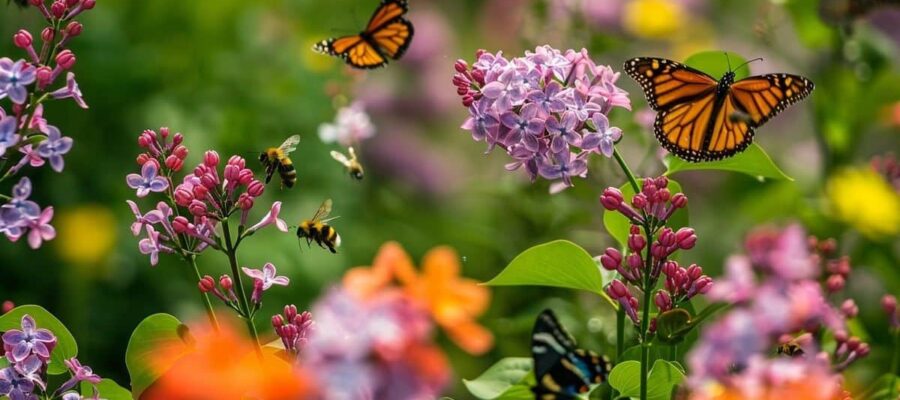
THE Indian lilac (Lagerstroemia indica), nicknamed “summer lilac”, seduced by its vibrant flowers which flower from July to October. Although drought tolerant, this plant requires careful maintenance to realize its full potential. Discover the proven techniques to optimize its growth and flowering.
The key steps for successful sowing
Prepare the soil before planting
The Indian Lilac prefers a well-drained soilrich in organic substance. To improve the soil structure, dig a hole twice as wide as the root ball of the plant. Add a layer of compost at the bottom of the hole to enrich the substrate.
Water generously after planting
After sowing, water abundantly to help the roots establish. A regular humidification it is essential, especially during the first few weeks.
Choose the right location
Exposure in full sun
This plant requires maximum sunshine flower abundantly. Avoid shaded areas, as they reduce flower production.
Protection from prevailing winds
The Indian lilac is sensitive violent air currentswhich can damage its delicate flowers. Choose a sheltered place.
Daily maintenance for optimal development
Irrigation: frequency and techniques
Water regularly, especially during dry periods
Despite being drought resistant, this plant appreciates a weekly watering in summer. Use enough water to reach the deep roots.
Mulch to retain moisture
THE mulching around the base limits water evaporation and protects the roots from frost. Opt for natural materials such as straw or bark.
Dimensions: period and methods
Prune in late winter
The size is made at the end of winter to stimulate generous flowering. Usage gardening scissors to remove dead or weak branches.
Maintain a balanced structure
Remove them dead leaves and debris to prevent disease. Choose a ventilated shape that promotes air circulation.
Flowering: key factors and timing

Flowering periods
From July to October: maximum colours
Produces Indian lilac clusters of flowers (pink, red, fuchsia) which persist until autumn. The duration of flowering depends on the variety and climatic conditions.
Optimizes flower production
Balanced fertilizer in spring
Apply to balanced fertilizer (NPK) in March or April to stimulate vegetative growth and flowering. Avoid excesses so as not to favor excessive foliage to the detriment of the flowers.
Control pests
THE aphids it can attack young shoots. Treat them with a savon insecticide to avoid damage. Also look at the appearance ofpowdery mildewtreatable with fungicides.
Mistakes to avoid for healthy growth
Unsuitable soil: a barrier to growth
Avoid compacted or moist soil
The Indian lilac refuses sol or stagnant. If the soil is clay, improve its structure with sand or compost.
Insufficient exposure: impact on flowering
Minimum sunshine of 6 hours per day
An exhibition in full sun it is essential for abundant flowering. In partial shade, flower production decreases dramatically.
Winter protection: a crucial issue
Prepare the plant for extreme cold
Use a winter veil
In regions with harsh winterscover the base of the plant with a winter sailing to protect the roots from frost. Young plants are particularly sensitive.
Retain moisture during the winter
Water moderately during dry periods
In winter reduce watering but maintain one slightly moist soil. Avoid excesses to avoid rotting the roots.
Popular varieties: choosing the right one
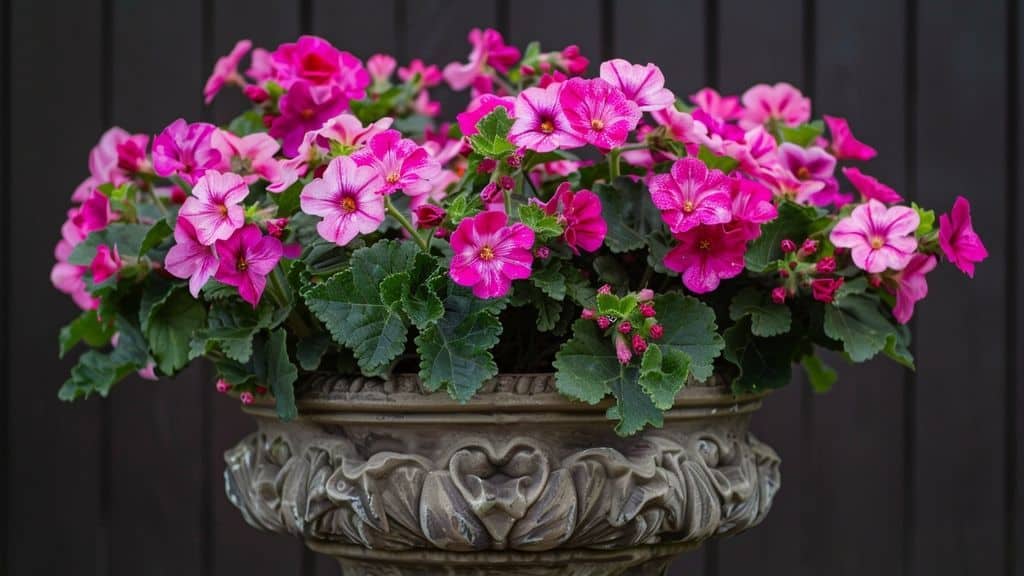
Dynamite: intense red flowers
The variety ‘Dynamite’ stands out for its double red flowers and his rapid growth (40 cm/year). Ideal for hedges or flowerbeds, it is resistant to diseases but fears winds.
Rhapsody in Pink: a vibrant fuchsia
THE «Rhapsody in Pink» offers fuchsia flowers vibrant. Delivered in a 7.5 L pot, it reaches 1 m to 1.20 m upon delivery and adapts to different soils.
: rigorous maintenance for spectacular results
The Indian lilac rewards careful gardeners with a exceptional summer flowering. Combining regular watering, targeted size et winter protectionyou will maximize its potential. Choose a variety suited to your climate and enjoy this ornamental shrub, prized for its resistence and his biodiversity.
Conclusion
The Indian lilac (Lagerstroemia indica) stands out as a remarkable ornamental plant, bringing vibrant color and elegance to gardens during the summer months. Its long flowering period, from July to October, makes it especially valuable for maintaining visual interest when many other plants begin to fade. While it is known for its drought tolerance, achieving its full potential requires more than simply planting and leaving it to grow—it thrives best with attentive and well-adapted care.
Optimizing the growth and flowering of this plant begins with the right conditions. Adequate sunlight is essential, as Lagerstroemia indica flourishes in bright, warm environments. Well-drained soil also plays a key role, preventing excess moisture that could hinder root health. Although the plant can withstand periods of dryness, regular and balanced watering during its establishment phase encourages stronger development and more abundant blooms.
Maintenance practices further enhance its performance. Proper pruning, typically carried out at the end of winter, helps shape the plant and stimulates vigorous flowering in the coming season. Removing dead or weak branches allows energy to be redirected toward healthy growth. In addition, occasional fertilization with suitable nutrients can support blooming without overwhelming the plant.
Ultimately, the beauty of the Indian lilac lies not only in its spectacular flowers but also in its adaptability when given the right care. By combining suitable exposure, thoughtful maintenance, and seasonal attention, gardeners can enjoy a plant that is both resilient and exceptionally decorative. With consistent care, Lagerstroemia indica becomes a lasting highlight in any garden, offering color, structure, and charm throughout the warmest months of the year.
latest posts published

Guide to choosing the right size
Ideal ratio for a high performance engine

Easy installation and practical advantages

How to use sodium bisulfate in a swimming pool: dosage and precautions

Use it correctly for optimal maintenance

The best ideas for an elegant look

Advantages and limitations of this natural coating

How to choose and install your curtains

Materials and advice for better insulation