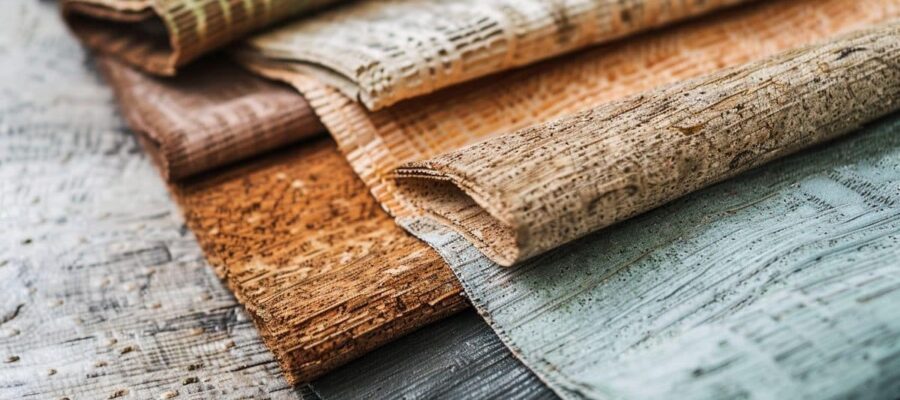
Cork flooring is proposed as a natural alternative to traditional coverings, combining aesthetics, comfort and technical performance. This material, made from the bark of the cork oak, seduces with its softness when walked on and its insulating properties. But behind its innocent appearance, it hides some peculiarities that you need to know to get the most out of it.
Comfort and aesthetics
Cork stands out for its soft textureoffering unparalleled comfort for the joints. Its visual appearance, available in warm or light tones, adapts to various furnishing styles, from modern to rustic. The natural bark patterns create a warm atmosphere, ideal for living rooms.
Thermal and acoustic insulation
Thermal insulation the cork is reinforced by the expanded treatment which increases its ability to retain heat. Double crossed layer eliminates thermal bridges reducing heat losses by 15% in low floors. For the impact noisesit effectively absorbs vibrations, although its performance against airborne noise remains limited.
Ecology and sustainability
Coming from a renewable resource, cork is biodegradable and rot-proof. Its treatment with ecological resins makes it a responsible choice, unlike polluting synthetic insulation. However, its high cost (up to €25/kg) and its sensitivity to humidity make it a demanding material.
Limits to consider
High cost and complexity of installation
The expanded cork remains more expensive compared to alternatives such as polystyrene or glass wool. Its installation requires careful preparation: installation in double crossed layers, application of specific resins and prolonged drying (24 to 48 hours per layer). The works must be entrusted to a professional to benefit from renovation aid (VAT 5.5% or eco-PTZ).
Maintenance and resistance
Although resistant to mold, cork easily damaged under heavy furniture or repeated impacts. Regular maintenance (cleaning with neutral water) is essential to preserve its appearance and performance. Unlike synthetic flooring, it is not suitable for high humidity areas or high traffic environments.
Compatibility with underfloor heating
Cork can be associated with aa underfloor heatingbut under certain conditions: a fluid screed requires a polyethylene film to avoid chemical reactions, and its thickness must be adequate so as not to reduce the efficiency of the system. This technical constraint limits its use in complex renovation projects.
Practical and alternative applications
Floor and roof insulation
Sheet cork is ideal for insulate slab floorsespecially in old houses. Its double crossed layer installation eliminates thermal bridges, while its modular thickness allows the insulation to be adapted to the available height. On roofing, it corrects summer and winter thermal variations thanks to its thermal lag.
Future prospects and trends

Development of hybrid solutions
The producers are working combinations of materials : sprayed cork (for thermal bridges) coupled with hemp wool (for acoustic insulation). This approach optimizes space in converted vans or small living quarters.
Financial aid and regulations
The reduction of VAT to 5.5% for insulation works and eco-PTZ (up to 15,000 euros) encourage the adoption of cork. However, this help is conditional professional interventionexcluding DIY.
: A balanced choice for eco-responsible people
The cork floor seduces with its balance between naturalness and performancebut its adoption depends on precise criteria: budget, use of components and ability to take care of maintenance. For energy renovation projects, it constitutes a credible alternative to synthetic materials, provided its benefits and limitations are carefully evaluated.
Conclusion
Cork flooring stands out as a compelling natural alternative to more traditional floor coverings, offering a unique combination of visual appeal, comfort, and functional performance. Derived from the renewable bark of the cork oak, it aligns well with modern preferences for sustainable and eco-friendly materials. Its soft and slightly resilient surface provides a pleasant walking experience, reducing fatigue and adding a layer of comfort that harder materials often lack. This makes it particularly suitable for living spaces where both comfort and warmth are valued.
In addition to its tactile benefits, cork flooring is widely appreciated for its excellent insulating properties. It naturally helps regulate temperature and dampen sound, creating a quieter and more energy-efficient indoor environment. These qualities make it an attractive option not only for homes but also for spaces where acoustic control is important. Furthermore, its hypoallergenic and antimicrobial characteristics contribute to healthier indoor air quality, making it a practical choice for families and individuals sensitive to allergens.
However, like any material, cork flooring comes with specific considerations that should not be overlooked. Its surface, while comfortable, can be more susceptible to dents and scratches if not properly protected. Exposure to excessive moisture or direct sunlight over time may also affect its appearance and durability. For this reason, proper sealing, regular maintenance, and thoughtful placement are essential to preserve its qualities. Understanding these characteristics allows users to make informed decisions and avoid potential drawbacks.
Ultimately, cork flooring offers a balanced solution for those seeking a blend of sustainability, comfort, and performance. Its natural origin and distinctive properties make it more than just a decorative choice—it becomes an integral part of a well-designed, functional living space. By being aware of its unique features and caring for it appropriately, homeowners can fully enjoy the benefits it provides while ensuring long-lasting satisfaction.
latest posts published
Guide to choosing the right size
Ideal ratio for a high performance engine

Easy installation and practical advantages

How to use sodium bisulfate in a swimming pool: dosage and precautions
Use it correctly for optimal maintenance
The best ideas for an elegant look
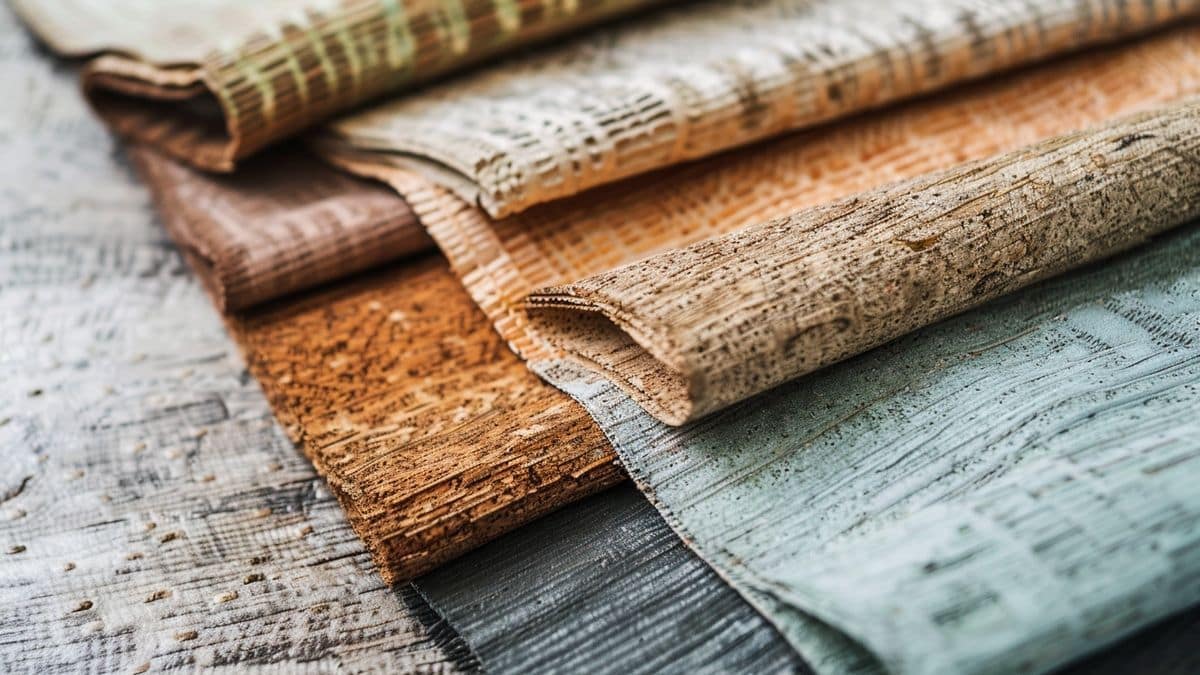
Advantages and limitations of this natural coating
How to choose and install your curtains

Materials and advice for better insulation