PVC sparrow covers are a practical solution for protecting roof overhangs while providing an aesthetic touch. These elements, often overlooked, play a crucial role in the waterproofness and durability of the structure. In this article we explore the benefits of PVC, detailed installation steps, and best practices for a successful installation.
Why choose PVC for sparrow skins?
PVC (polyvinyl chloride) has established itself as the material of choice for sparrow skins thanks to its technical properties and his ease of use.
Resistance to atmospheric agents
PVC is waterproof and resists UV rays, rain and frost, making it an ideal ally for exposed areas. Unlike wood, it does not require regular pesticide treatments, thus reducing maintenance costs.
Easy maintenance
PVC covers can be cleaned simply with water and a mild detergent, without risk of discoloration or deformation. This characteristic makes them particularly suitable for humid or saline environments.
Customizable aesthetics
Available in different colors (white, anthracite grey, etc.), PVC allows it to adapt to the architecture of the house. The various profiles (smooth, grooved) offer a harmonious finish with cladding or external joinery.
The key steps in installing a PVC sparrow cover
Requires installation of a PVC sparrow cover careful preparation and suitable tools. Here are the essential steps:
Site preparation
- Clean the area : Remove debris, moss or old degraded items.
- Measure the overhangs : Determines the exact length of caches based on the existing structure.
- Choose the profile : Choose a template SF2503B (3 meters long) or similar, depending on size.
Fix the elements
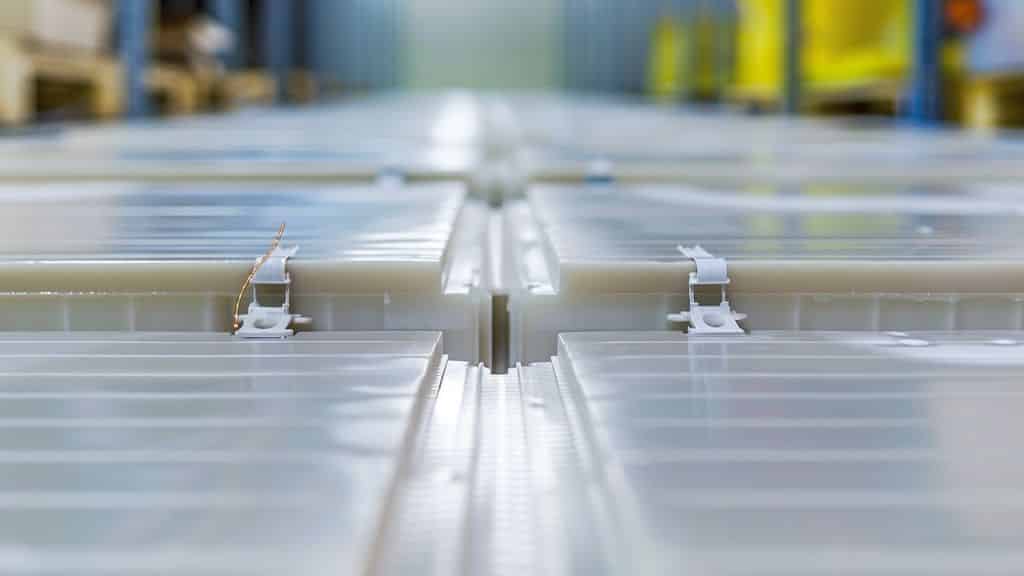
- Place caches : Align the PVC slats on the joists or frame, leaving a 1cm gap for thermal expansion.
- Secure with screws : Usage flat head screw (zinc type) to avoid corrosion points. Galvanized steel nails are also acceptable.
- Cover the joints : Apply to silicone for joints on the connections to strengthen the seal.
Technical advice for a successful installation
To avoid common mistakes, here are some professional tips:
Choose the right tools
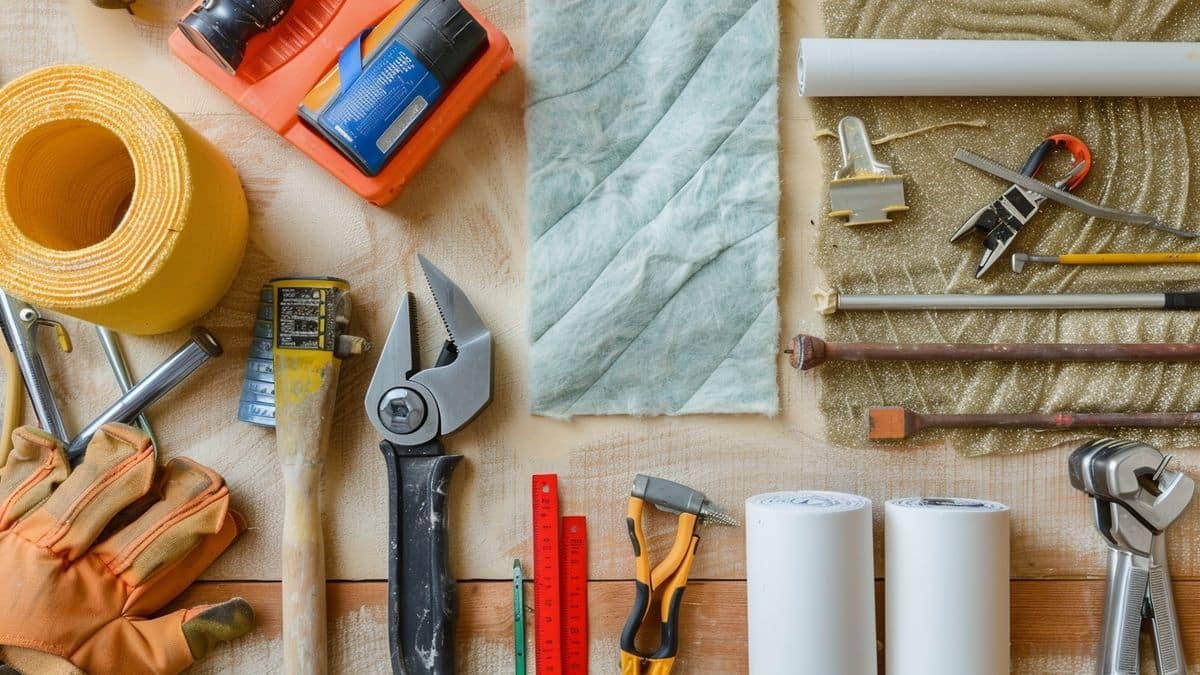
- Circular saw : For cutting PVC blades without chipping.
- Drill : For pre-drilling mounting holes (prevents cracks).
- Level : To ensure perfect alignment of the elements.
Management of thermal constraints
PVC expands with heat. Supply expansion joints every 2 meters to avoid deformations.
Integration with other materials
If the PVC sparrow cover is associated with aa Myral covering or aluminum joinery, please polyurethane glue for connections.
Practical cases and examples of implementations
Several recent projects illustrate the effectiveness of PVC sparrow covers:
Production in Le Havre
We opted for a house in Le Havre white PVC cache to harmonize its facade with the Douglas wood cladding. The installation was completed in one day, with an aesthetic and functional result.
Project in Normandy
In Caen, a local company has installed PVC attics on several houses, combining them sustainability et aesthetic. Customers appreciated the speed of execution and the affordable price.
Maintenance and assistance after installation
Regular maintenance extends the life of PVC sparrow covers:
Annual cleaning
- Remove dirt : Use a soft broom or a jet of water to remove leaves and cobwebs.
- Disinfect : Apply a mixture of water and chlorine to the areas blackened by mold.
Checking fasteners
Check annually screws and nails to make sure they are not rusty or loose.
When to call a professional?
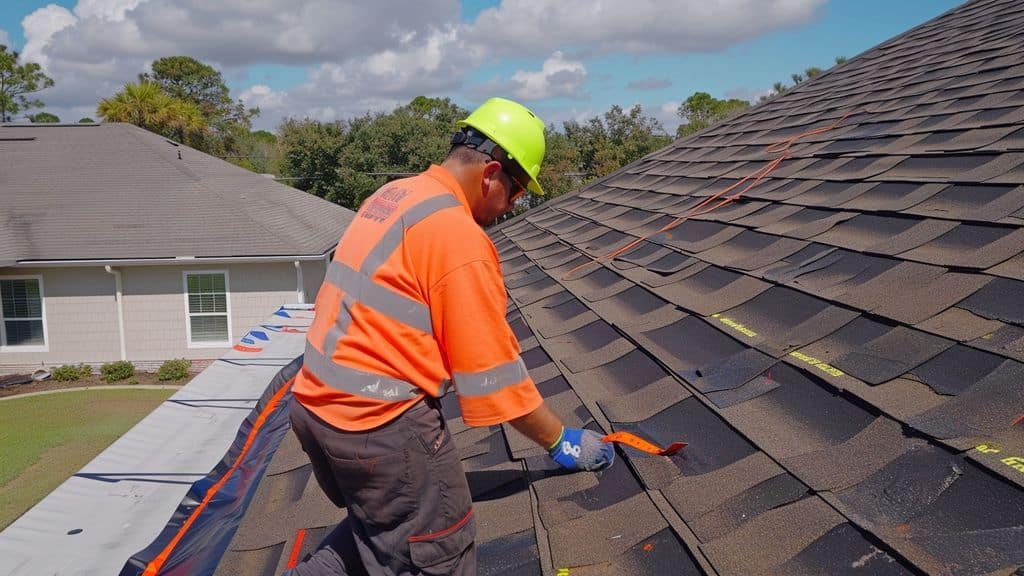
Although installation is accessible via DIY, some situations require the intervention of a qualified roofer :
Cas complexes
- Sloping roofs : Increased risk of slipping or poor fixation.
- Storm repairs : Structural damage requiring expertise.
Advantages of a professional
- Ten-year guarantee : Coverage for defects in materials and workmanship for 10 years.
- Tailored consultancy : Choice of the optimal profile based on the architecture and local climate.
PVC sparrow covers offer a solution economic et practical to protect and beautify roof overhangs. By following detailed installation steps and prioritizing regular maintenance, these items can last more than 20 years. For ambitious projects or complex repairs, turning to a qualified craftsman remains the best solution to ensure a reliable and long-lasting installation.
latest posts published

Guide to choosing the right size
Ideal ratio for a high performance engine

Easy installation and practical advantages

How to use sodium bisulfate in a swimming pool: dosage and precautions
Use it correctly for optimal maintenance

The best ideas for an elegant look
Advantages and limitations of this natural coating
How to choose and install your curtains
Materials and advice for better insulation